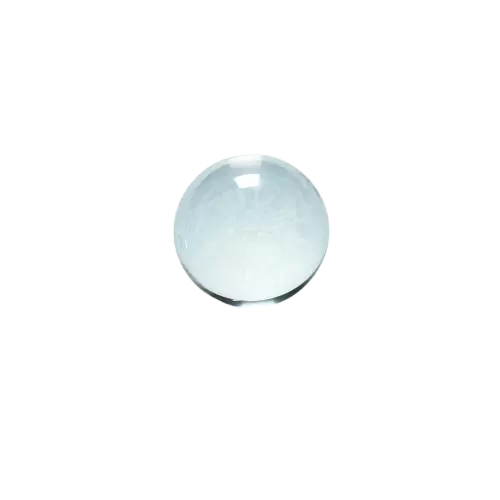
Traditional multi-element optical assemblies are not always the best solution when an optical system needs to become smaller. Multiple lenses introduce more components to align, defined optical-axis orientations, additional mechanical spacing, and greater assembly complexity.
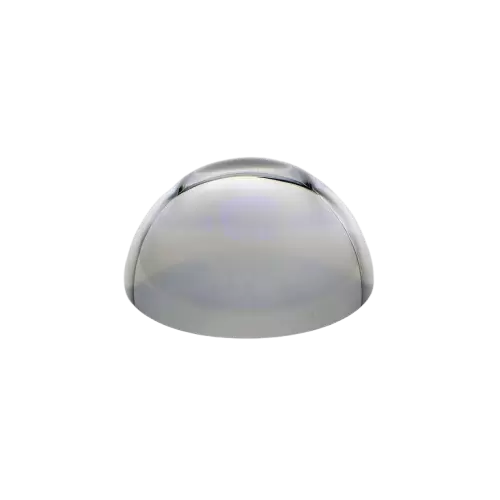
When conventional spherical lenses are integrated into compact optoelectronic systems, the optical performance of the lens is only part of the engineering challenge. A complete spherical lens can be difficult to position, reference, and secure because its curved surface provides limited mechanical datum surfaces.
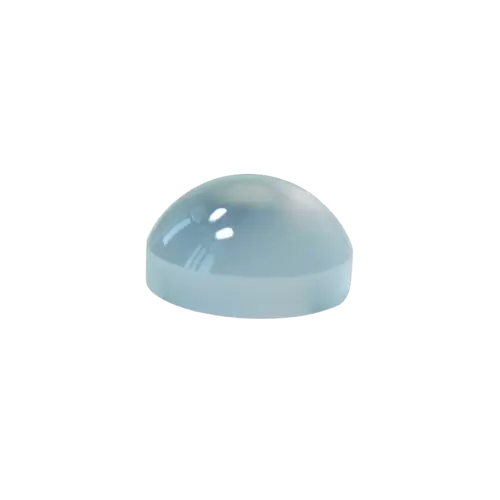
Standard hemispherical lenses are useful in many optical assemblies, but they are not always suitable when an optical system requires a specific geometry, material, wavelength response, or integration envelope.
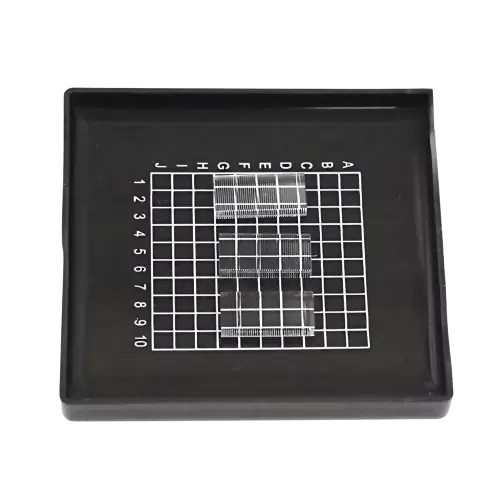
Herkömmliche Einzellinsen bleiben für viele optische Systeme wirksam, ihre physikalische Größe und begrenzte Integration werden jedoch zu Einschränkungen, wenn ein optisches Modul mehrere Fokussierungs-, Bildgebungs- oder Strahlsteuerungsfunktionen auf kleinem Raum benötigt.
Традиционные одиночные линзы остаются эффективными для многих оптических систем, но их физический размер и ограниченная интеграция становятся ограничениями, когда оптическому модулю требуется несколько функций фокусировки, формирования изображения или управления лучом на небольшой площади.
기존의 단일 렌즈는 많은 광학 시스템에 여전히 효과적이지만 광학 모듈이 작은 영역 내에서 다중 초점, 이미징 또는 빔 제어 기능을 필요로 하는 경우 물리적 크기와 제한된 통합이 제약이 됩니다.


 en
en
 English
 繁体中文
繁体中文 Japanese
 Korean
 Russian
 German