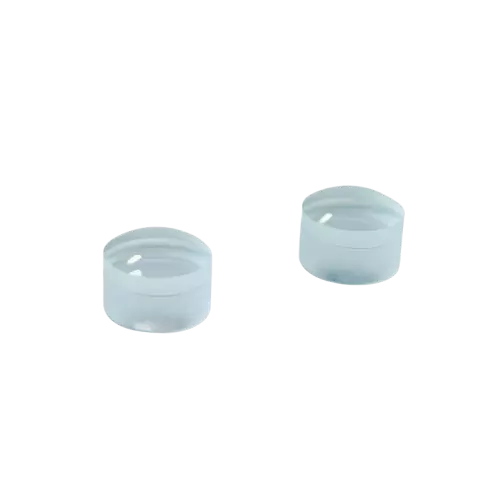
A conventional singlet lens can be sufficient for simple focusing or collimation, but its limitations become more apparent when an optical system must work across multiple wavelengths. Because different wavelengths are refracted by different amounts, blue, green, and red light may form their focal points at different axial positions.
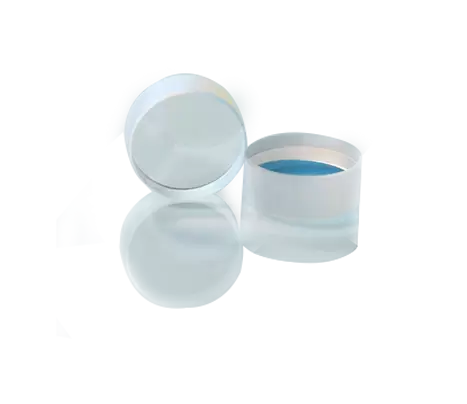
For optical engineers and procurement teams, choosing a plano convex lens is rarely just a matter of selecting a diameter and focal length. A lens that appears simple can produce very different results depending on its material, curvature, surface accuracy, center deviation, coating, and installation direction.
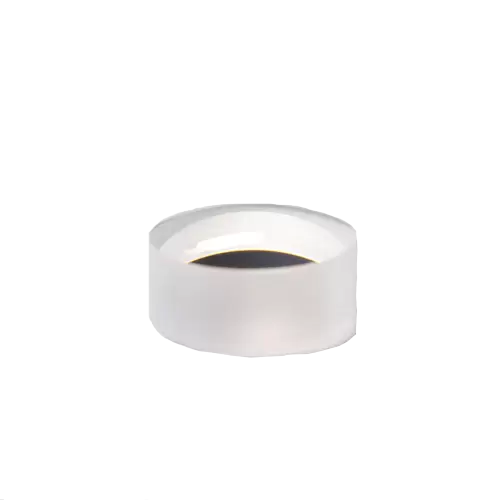
For optical engineers and procurement teams, choosing a plano concave lens is rarely just a matter of selecting a diameter. A lens may need to produce a specific negative focal length, control beam divergence, compensate spherical aberration, or work reliably at a particular wavelength.

Herkömmliche optische Baugruppen mit mehreren Elementen sind nicht immer die beste Lösung, wenn ein optisches System kleiner werden muss. Mehrere Linsen erfordern mehr auszurichtende Komponenten, definierte Ausrichtungen der optischen Achsen, zusätzliche mechanische Abstände und eine größere Montagekomplexität.
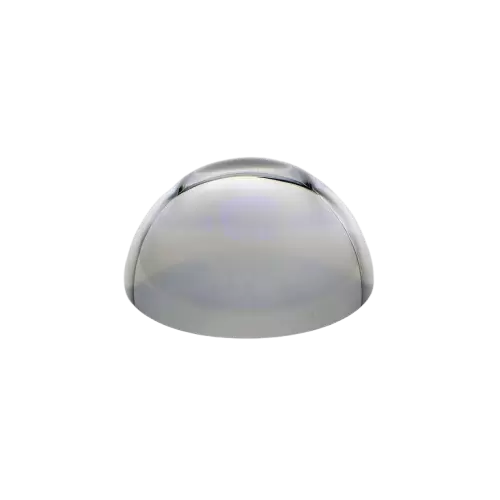
Bei der Integration herkömmlicher sphärischer Linsen in kompakte optoelektronische Systeme ist die optische Leistung der Linse nur ein Teil der technischen Herausforderung. Eine vollständig sphärische Linse kann schwierig zu positionieren, zu referenzieren und zu befestigen sein, da ihre gekrümmte Oberfläche nur begrenzte mechanische Bezugsflächen bietet.
Традиционные многоэлементные оптические сборки не всегда являются лучшим решением, когда оптическая система должна стать меньше. Использование нескольких линз требует большего количества компонентов для выравнивания, определенной ориентации оптических осей, дополнительного механического расстояния и большей сложности сборки.


 en
en
 English
 繁体中文
繁体中文 Japanese
 Korean
 Russian
 German