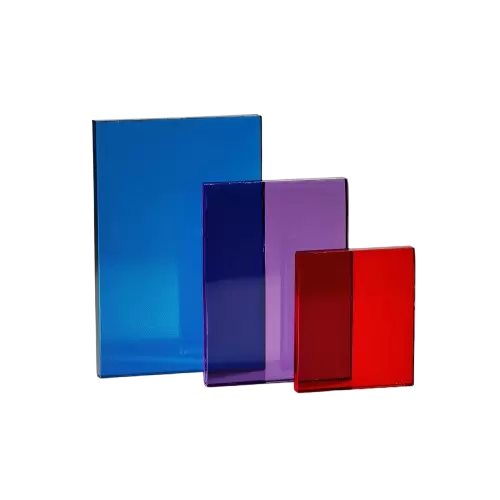
Optical systems often need to distinguish a specific light signal from background illumination, scattered light, or unwanted wavelengths. In fluorescence imaging, machine vision, and precision measurement, these unwanted signals can reduce image contrast, weaken detection reliability, and introduce errors into measurement results.
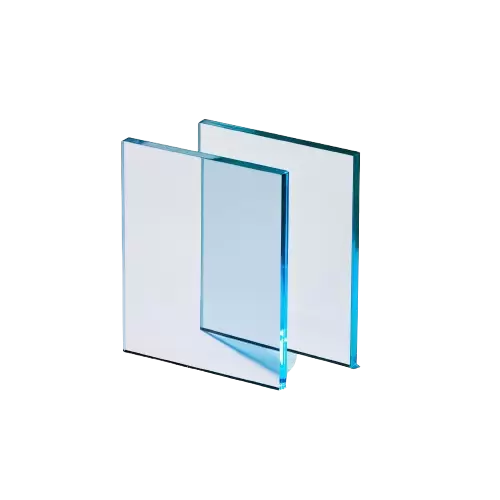
Selecting a glass optical window involves more than comparing supplier quotations. A window made from the wrong material may transmit the required wavelength poorly, while inadequate surface flatness or parallelism can introduce wavefront distortion, beam deviation, or unwanted reflections. Special dimensions, tight tolerances, and antireflection coatings can also increase manufacturing costs.
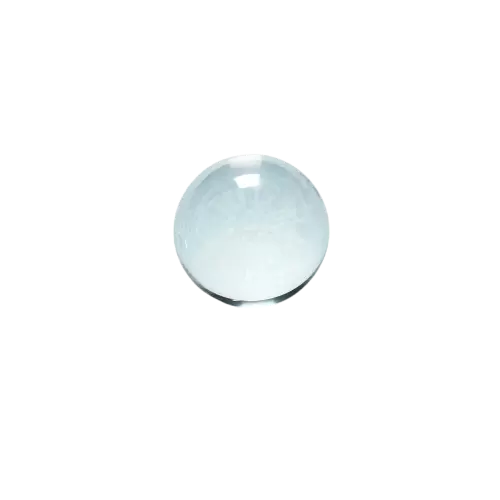
Selecting a precision ball lens involves more than choosing a diameter or comparing supplier quotations. In fiber-optic coupling, laser systems, optical sensors, and miniature imaging devices, small differences in refractive index, dimensional tolerance, sphericity, and surface quality can affect alignment, focusing, and assembly consistency.
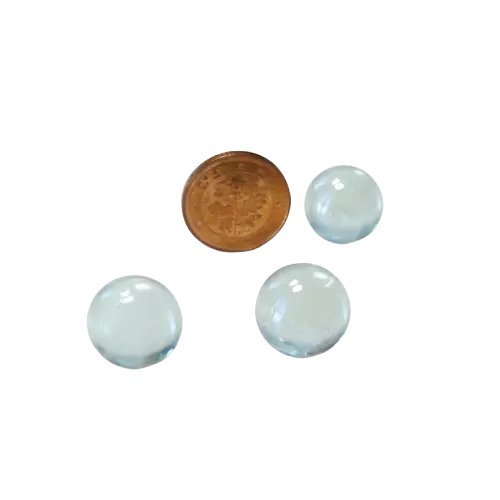
Sphärische Linsen aus optischem Glas werden in Bildgebungssystemen, Lasergeräten, optischen Messgeräten und wissenschaftlichen Geräten verwendet, bei denen kontrollierte Brechung und vorhersagbare optische Leistung unerlässlich sind.
Сферические линзы из оптического стекла используются в системах визуализации, лазерном оборудовании, оптических измерительных приборах и научных устройствах, где важны контролируемое преломление и предсказуемые оптические характеристики.
광학 유리 구면 렌즈는 굴절 제어와 예측 가능한 광학 성능이 필수적인 이미징 시스템, 레이저 장비, 광학 측정 기기 및 과학 장치에 사용됩니다.


 en
 English
 繁体中文
 Japanese
 Korean
 Russian
 German