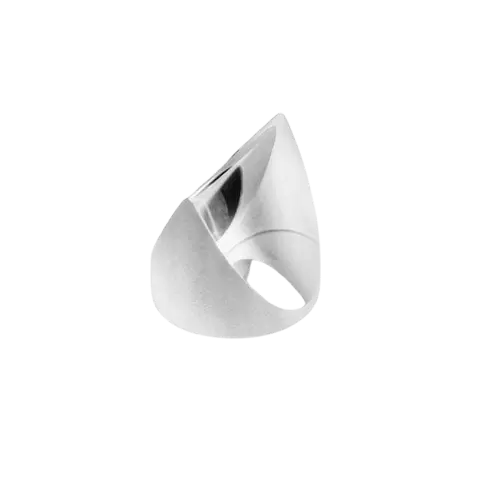
當工程師評估用於機器視覺、雷射測量、工業對準或光學檢查系統的光束整形組件時,討論很快就超出了簡單的光束擴展範圍。
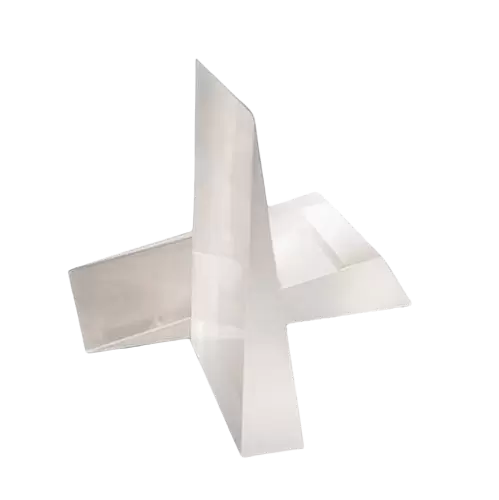
In professional imaging systems, particularly cinema optics, machine vision imaging modules, and optical research setups, controlling image geometry is not a secondary concern—it is the foundation of system performance.
When engineers evaluate beam-shaping components for machine vision, laser measurement, industrial alignment, or optical inspection systems, the discussion quickly moves beyond simple beam expansion.

In industriellen Lasermesssystemen ist die Laserliniengenerierung kein visuelles Hilfsmittel, sondern eine geometrische Messreferenz, die direkt Genauigkeitsgrenzen auf Systemebene definiert.
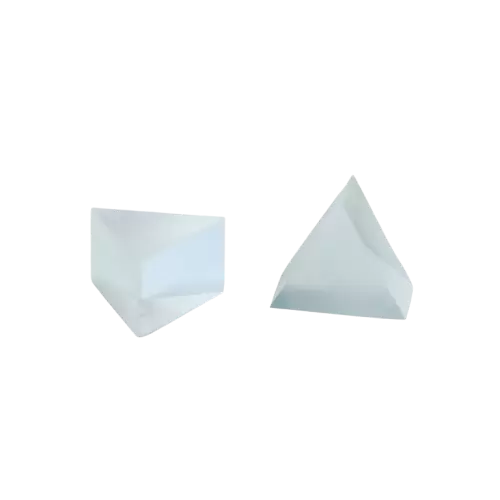
In der modernen optischen Technik beeinflusst jede in einen Lichtweg eingefügte Komponente die Systemleistung, Ausrichtungstoleranz, Energieeffizienz und Langzeitstabilität.
В системах промышленной лазерной метрологии генерация лазерных линий является не визуальным средством, а эталоном геометрических измерений, который непосредственно определяет границы точности на уровне системы.


 en
en
 English
 繁体中文
繁体中文 Japanese
 Korean
 Russian
 German