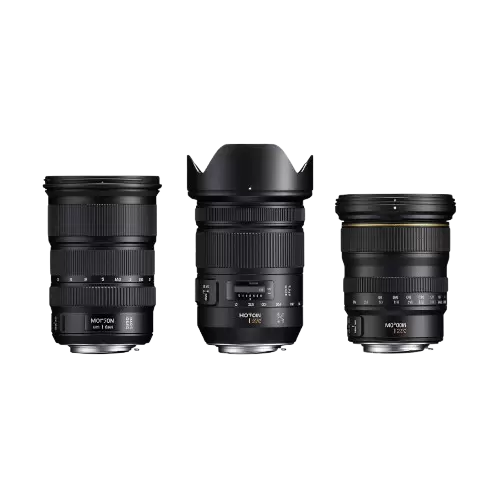
산업용 머신 비전에서 렌즈 선택은 카메라가 측정, 검사 및 인식을 위해 충분히 안정적인 이미지를 생성할 수 있는지 여부에 직접적인 영향을 미칩니다. 소비자 등급 렌즈 또는 부적합한 줌 렌즈는 초점 설정이 변경될 때 시야, 초점, 배율 또는 왜곡이 변경될 수 있습니다.
В промышленном машинном зрении выбор объектива напрямую влияет на то, сможет ли камера создавать изображения, достаточно стабильные для измерения, проверки и распознавания. Объектив потребительского класса или неподходящий зум-объектив могут привести к изменениям поля зрения, фокуса, увеличения или искажения при изменении настройки фокусного расстояния.
In der industriellen Bildverarbeitung wirkt sich die Objektivauswahl direkt darauf aus, ob eine Kamera Bilder erzeugen kann, die stabil genug für Messungen, Inspektionen und Erkennungen sind. Ein Verbraucherobjektiv oder ein ungeeignetes Zoomobjektiv kann zu Änderungen im Sichtfeld, Fokus, Vergrößerung oder Verzerrung führen, wenn sich die Fokuseinstellung ändert.
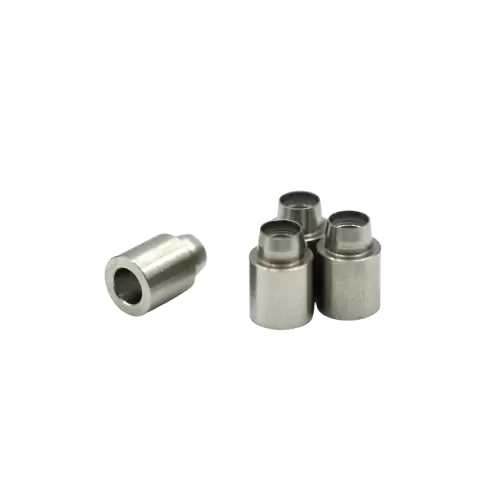
A collimator lens is a critical optical component when a laser system needs a controlled, stable beam for subsequent delivery, focusing, beam shaping, or processing. In demanding applications, a conventional lens may not provide sufficient collimation accuracy, transmission, or wavefront control.
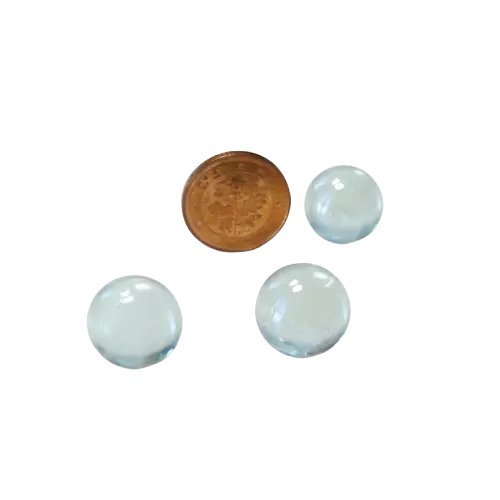
In compact optical systems, conventional multi-element lens assemblies can introduce unnecessary complexity. More components mean more mechanical interfaces, tighter alignment requirements, greater installation space, and potentially higher assembly costs. These limitations become more noticeable when the optical path must fit into a small package or when light needs to be coupled efficiently over a short working distance.
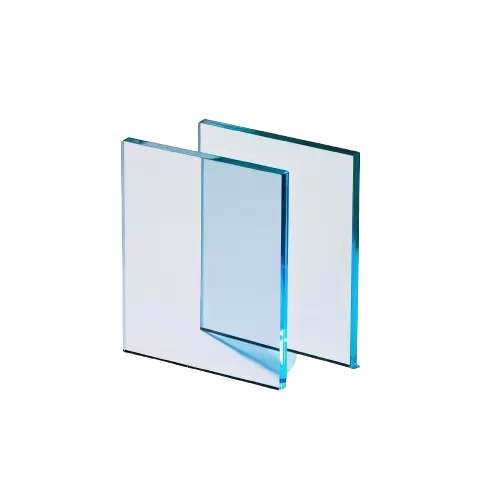
In laser equipment, imaging systems, optical instruments and precision detection equipment, an optical window is not simply a transparent protective plate. It sits directly in the optical path, so its surfaces can influence reflection, beam deviation, wavefront quality and the amount of light reaching the next optical element.


 en
 English
 繁体中文
 Japanese
 Korean
 Russian
 German