
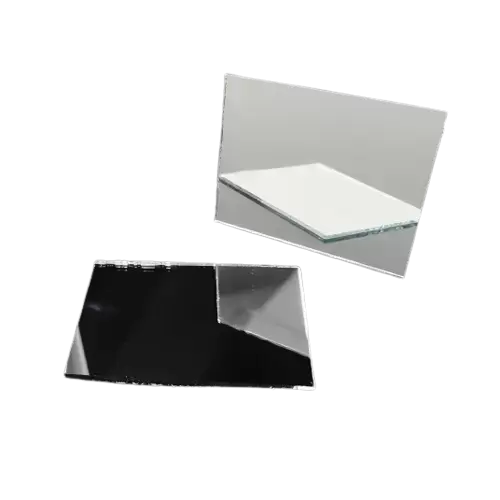
In precision optical systems, mirror selection is often determined by factors that are invisible during normal operation but directly affect system accuracy. A mirror may appear perfectly reflective to the eye, yet its internal structure can introduce optical errors when used in laser alignment, imaging equipment, or scientific instruments.
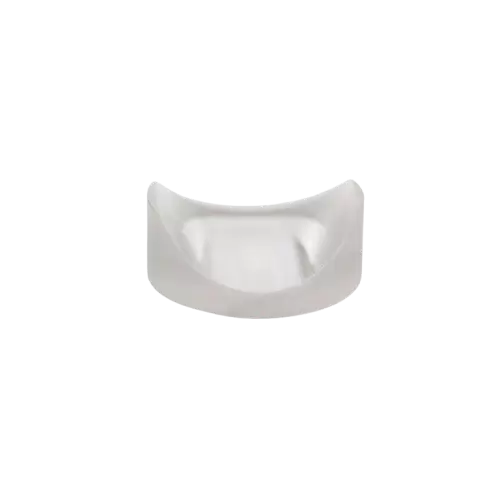
In many laser and imaging systems, controlling light in only one direction is a critical requirement. However, conventional cylindrical lenses can create challenges during integration, especially when optical alignment, positioning accuracy, and long-term stability are important.

In precision optical systems, controlling light in one direction is often only part of the design challenge. When different wavelengths pass through a conventional cylindrical lens, variations in refractive index can cause each wavelength to focus at a slightly different position.


 en
en
 English
 繁体中文
繁体中文 Japanese
 Korean
 Russian
 German